







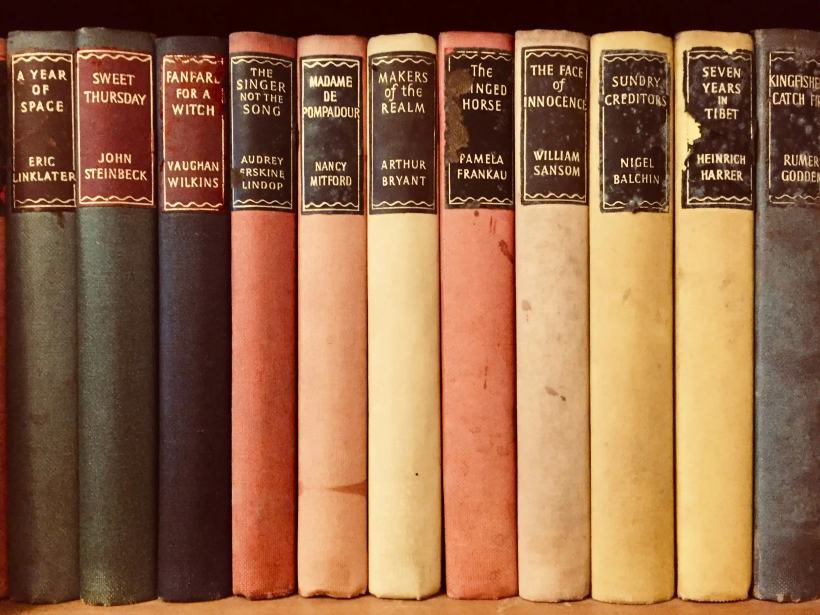
catalog books without barcode

    Catalog Books Even When There Is No Barcode in Sight

    Barcode-only cataloging apps work nicely until you reach the books you love most: mid-century vintage paperbacks, antique hardcovers from estate sales, small-press poetry chapbooks, and museum art monographs published before ISBN barcodes existed. Librisync gives you powerful alternative pathways—AI shelf photo recognition, fast title and author lookup, cover selection, custom cover photo uploads, publication year fields, and personal notes—to catalog every special edition properly.

    catalog vintage bookscollectors, antiquarian book hunters, and readers with older, rare, or pre-ISBN book editionsa complete, inclusive library catalog covering antique hardcovers, vintage paperbacks, matching edition covers, and detailed edition notes

    How Librisync helps

    A serious book cataloging tool must accommodate books published before modern retail barcodes appeared in the 1970s.

    catalog vintage books

    apps that refuse to add a book without an ISBN barcode, leaving older treasures and collector editions out of the catalog

    a complete, inclusive library catalog covering antique hardcovers, vintage paperbacks, matching edition covers, and detailed edition notes

    Why Barcode-Only Scanners Fail Real Collectors

    Barcodes did not become widespread on books until the late twentieth century. If your shelves hold vintage Penguin classics, 1960s science-fiction paperbacks, century-old poetry collections, or exhibition catalogs, barcode scanners hit a brick wall. Apps that force a barcode scan exclude the most interesting, irreplaceable parts of personal collections, forcing readers back to fragmented paper notes.

    AI Shelf Spine Reading for Pre-ISBN and Older Volumes

    Even without a printed barcode, older books still bear distinct typography, embossed titles, and author names on their cloth or paper spines. Librisync's visual AI reads text from shelf photos directly. By interpreting spine lettering on classic volumes—like early editions of Virginia Woolf or vintage Pelican history series—it identifies the book and matches bibliographic records without touching a barcode.

    Fast Title and Author Search with Historical Catalog Data

    When an antique spine is completely unlettered or bound in aged leather, Librisync's rapid manual search steps in. Search by title, author, or keyword to retrieve historical catalog entries. You can confirm the matching publication record in seconds and append crucial details such as the specific printing year, publisher imprint, and translator.

    Edition Cover Selection, Physical Condition, and Provenance Notes

    Vintage and collectible books have unique physical identities. A stock publisher image rarely matches a faded 1954 dust jacket or an embossed Victorian cloth cover. In Librisync's library view, you can choose from multiple matching edition covers or upload a photo of your own book cover, tag volumes with 'first-edition' or 'antique', and record provenance notes detailing condition, inscriptions, and purchase origins.

    Librisync

    Build the book system around your real shelves

    Start with a few books or scan a whole shelf. Librisync keeps the structure useful after the first import.

    Free up to 100 books · No credit card

    What to look for

    Barcode-Independent Ingestion

    The cataloging system must fully support entry via visual spine recognition and comprehensive title/author database queries, without demanding a barcode.

    Flexible Cover Selection & Custom Cover Uploads

    Ability to select alternative edition covers or upload a custom photo of your actual edition rather than being stuck with modern reprint thumbnails.

    Historical Metadata Fields

    Support for publication year, specific imprints, binding notes, and acquisition details essential for rare and antique volumes.

    Custom Shelves and Collector Tags

    Flexible tagging such as 'pre-1970', 'leatherbound', or 'signed' to distinguish collector copies from everyday reading paperbacks.

    Three Steps to Cataloging Vintage and Pre-ISBN Books

    Bring your older treasures, antique finds, and art monographs into your digital library with ease. Place your barcode-free volume under good light and let Librisync's visual AI recognize the spine, or type the title and author into manual search. Pick the matching cover or upload a photo of your own edition, jot down the publication year, and save it to your shelf.

    1. 1

      Capture shelf rows with the AI camera scanner or use targeted title/author search for unmarked bindings.

    2. 2

      Select the historical edition, set the publication year, and select the matching cover or upload your own cover photo.

    3. 3

      Add collector tags like 'vintage-paperback' or 'first-edition' and record condition notes in your library view.

    Related guides

    Features · Bookshelf Scanner

    Features

    Questions people ask

    Can I catalog books that were published before barcodes or ISBNs existed?
    Yes. Librisync does not require a barcode. You can capture older books using AI shelf photo spine recognition or by searching directly for the title and author, then selecting or adjusting the historical record.
    Can I choose a matching historical cover or upload my own cover photo?
    Yes. In the library view, you can choose from alternative edition covers, apply your scanned photo directly, or upload a custom cover photo in the cover selector, and document binding details, patina, and inscriptions in your edition notes.
    How can I record specific details like print year, edition, and condition?
    Inside your library view, you can edit metadata fields including publication year, publisher imprint, custom tags, and personal notes where you can document physical condition, signatures, and provenance.
    Can I track my reading progress on vintage books?
    Yes. You can mark antique or vintage books with statuses (not started, in progress, completed) and log your active reading progress by page number or chapter with automatic percentage calculation.

    Build the book system around your real shelves

    Start with a few books or scan a whole shelf. Librisync keeps the structure useful after the first import.